The
following Latin American staples are commonly served as side
dishes. They are main sources of carbohydrates for many
traditional meals. In fact, low income populations heavily rely on these foods as sources of carbohydrate as well as protein.
CORN: One carbohydrate equivalent* = ½ cup
Also
known as maíz or mais, corn was a sacred food for Peru’s Incas and Mexico’s Aztecs,
as they considered it “first mother and father, the source of life.” All parts
of the corn were used, providing shelter, fencing,
and even clothing, in addition to nourishment.1 There are
different types of corn and even different colors. South America grows red, blue, pale yellow,
and the famous Peruvian purple corn used to make chicha morada.1
Corn remains a staple of Latin American cuisine today and there are many traditional dishes that are corn-based. Therefore, it’s important to learn some of its popular uses:
 |
| Various types of corn |
Corn remains a staple of Latin American cuisine today and there are many traditional dishes that are corn-based. Therefore, it’s important to learn some of its popular uses:
 |
| Pozole |
 |
| Atole |
| Chicha Morada |
 |
| Mazamorra |
 |
| Fanesca |


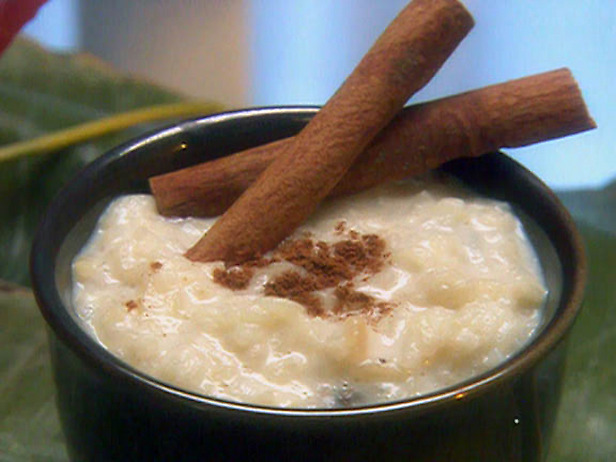
RICE: One Carbohydrate
equivalent* = 1/3 cup
The Spanish conquistadores introduced rice to Latin America and the Caribbean during the 16th Century. Since then, rice has become an essential side dish for Brazilian, Peruvian, Colombian, and Ecuadorian cooking.1 It is also widely used in Mexico and the Caribbean.
Some common dishes that include rice as a main ingredient are:
 |
| Horchata |
POTATOES: One Carbohydrate equivalent* = ½ cup or ½ medium
(3 oz)
Potatoes are native to the foothills of the
Andes in South America, more specifically to Peru and Bolivia. In fact, the
potato had religious significance for the Nazca and Chimu Indians of Peru.
Interestingly, the Incas perfected a natural way to freeze-dry potatoes 2,000
years ago. Currently, there are over 4,000 varieties of potatoes throughout the
world, and Peruvian markets claim to sell approximately 100 different types and
colors, including red, black, yellow, brown, purple, and dark yellow.1
Other potato variations also include:
 |
| Varieties of potatoes |
Other potato variations also include:
 |
| Ocopa Arequipena |

BEANS: One Carbohydrate equivalent* = ½ cup or 1/3 cup (baked beans)
They
are a vital source of protein for many countries in the Caribbean and Central
America where meat might be scarce. Beans are traditionally planted with corn
and squash, mainly because they enrich the soil that is depleted by corn.1 There
are many varieties of beans native to Latin America:
Black beans & red kidney
beans: are
common in Mexico, Caribbean, and Brazil. Black beans are used to make soups,
salsas, feijoada, and gallo pinto.
Pinto beans: very popular in Mexican
cooking, as an ingredient for frijoles
refritos or refried beans.
Lima beans: very popular in Peru
Black eyed-peas: introduced to Latin
America from West African and mainly consumed in the Caribbean
Chickpeas: these beans were actually
introduced by the Spanish, although they are now adapted to the region.
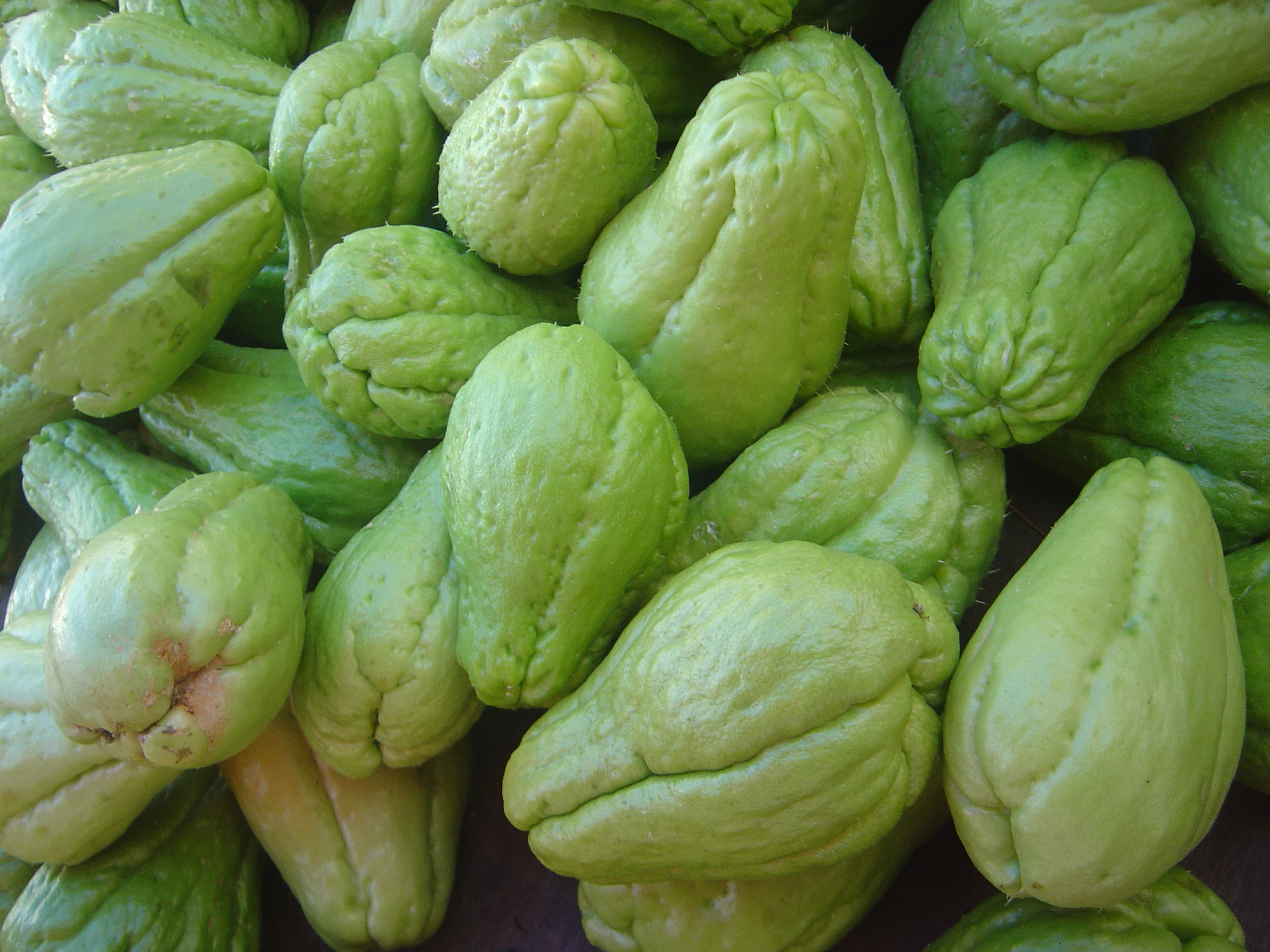
OTHER POPULAR STARCHY VEGETABLES
Although the following starchy vegetables are not considered "staples", they are very common in various Latin American countries. You may be familiar with some of these since they are available in the U.S., but Jicama, Yacon, and Oca, may only be available in certain regions.


 |
| Cassava or Yuca: 1 carb= 1/3 cup |
| Plantains: 1 carb= 1/3 cup |

 |
| Oca |
I hope this first posting was helpful to recognize some of the main sources of carbohydrates for Latin American cuisine. Next time that you come across someone from Latin America, you may recognize some of these foods!
Stay tuned for the following posting: How the Spanish conquistadores and the African slave trade significantly influenced what we know as Latin American cooking today!
*Unless otherwise specified, all carbohydrate equivalents correspond to those listed on Choose your Foods Exchange Lists for Diabetes booklet from the American Diabetes Association and Academy of Nutrition and Dietetics.
Similarly, all pictures were obtained from google images- the link will direct you to the original source.
List of Sources
1. Fleetwood
J, Filippelli M. The Caribbean, Central and South American Cookbook: tropical
cuisines steeped in history. Anness Publishing Ltd. 2010. Pg 8-51.
2. Rosario
D. Exploring the culture of little Havana. School of Education at the
University of Miami website. http://www.education.miami.edu/ep/littlehavana/Cuban_Food/Cuban_Cuisine/cuban_cuisine.html.
Accessed on March 18, 2014.
3. The
Latin Kitchen website. http://thelatinkitchen.com/
Accessed on March 18, 2014
4. American Dietetic Association, American Diabetes Association. Choose your foods: exchange lists for diabetes, 2008. Published in the United States.
5. Google images.
5. Google images.

No comments:
Post a Comment